
Database Indexing at DNSA
An Announcement

In the National Security Archive’s 40th year of FOIA requesting business, I’m back working as an indexing librarian! This time around, my business has been hired and I am working as a part-time contractor rather than a a full-time employee.
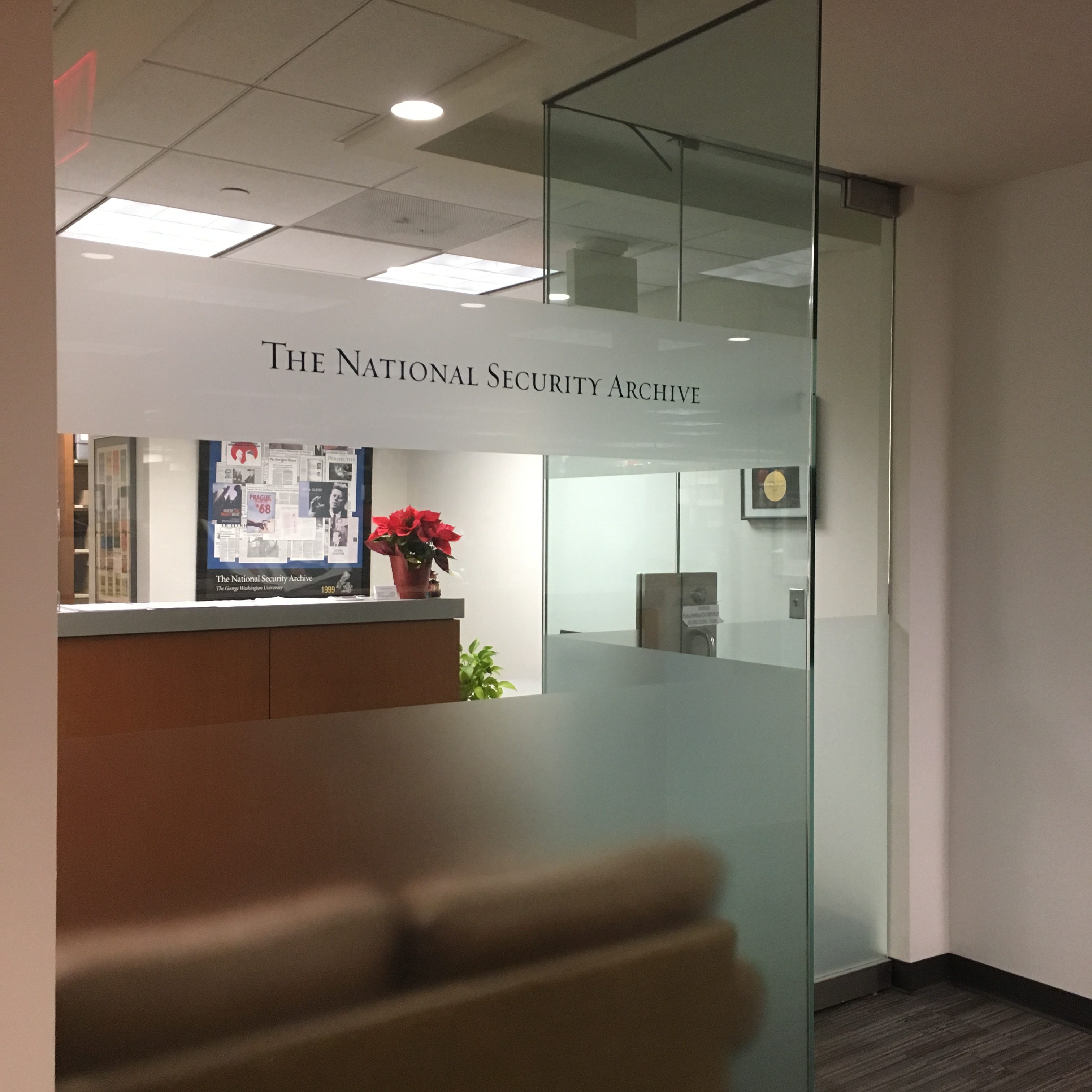
Working as an indexer for DNSA now is different from before, for one thing, the indexing team is reduced in size. Also, I am a part-time contractor rather than employee, and the last big difference is that the other indexer (who is also the production manager) is working from the depths of Montana and I’m in Florida, while the most of the other Archive staff members are located in Washington, D.C.
Everything we on the (indexing) production team do is now remote — the totally remote workflow was started during the Covid shutdown period in 2020 and has essentially been fine-tuned since then. Some aspects of the job are the same, but collaborative tasks have been reworked and made fully digital.
Another change that has happened since I left in December 2019 was to the cataloging software. We now use SydneyDigital, a Lucidea product, rather than CuadraSTAR — which is now a Lucidea product but previously was not.
I’m very happy that I got to be a part of making the fifth CIA Covert Operations document set a reality. I was hired toward the end of the document indexing period, and was responsible for cataloging, indexing, and writing abstracts for documents from the latter half of 1951, along with some broader editing tasks.

I’ll provide more updates later, on the next set of declassified government documents that will be indexed and published on the Digital National Security Archive, or DNSA, a ProQuest database.
More on Indexing Declassified Government Documents
at DNSA:
Database Indexing in Practice

A look into the National Security Archive and the process of indexing declassified government documents for publication on ProQuest.